Designing a Corporate Tet Gift That Feels Considered
A useful guide to corporate Tet gift design: start with the recipient, make the package practical, and connect the physical gift to the way it is presented.
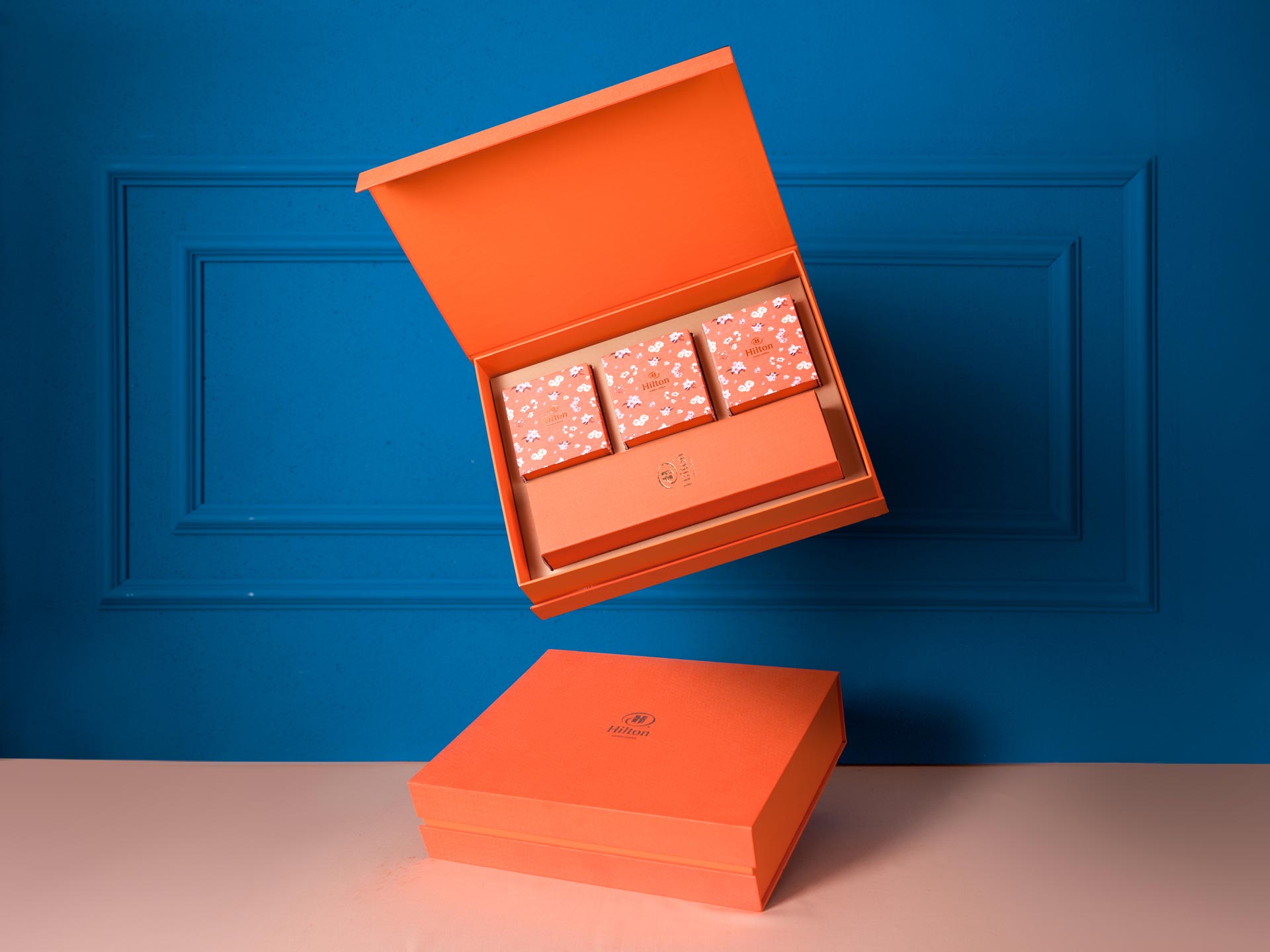
A corporate Tet gift has a simple job: show that the sender has paid attention to the person receiving it. The package, contents, message, and delivery all contribute to that impression. A costly box can still feel impersonal if those parts do not belong together.
Begin with the recipient
Who will receive the gift: employees, long-standing partners, new clients, or a broad group with different preferences? How will it be handed over? Will the recipient carry it home, ship it, or open it at an event? The answers affect weight, size, durability, and the level of personalisation that makes sense.
Where food is involved, confirm shelf life, storage requirements, ingredient information, and travel conditions before committing to a package design. A beautiful presentation is of little use if it is difficult to transport or cannot protect its contents.
Give the gift one coherent idea
Tet, the Vietnamese Lunar New Year, offers many familiar visual references. Using all of them at once can make a gift look generic. Choose a specific point of view instead: a material, a colour relationship, a craft detail, or a story connected to the contents. The reference should be understandable without a long explanation.
The brand's role also needs judgment. A prominent logo may be appropriate on a sales display, but less appealing on an object the recipient might keep at home. Consider which parts of the package can carry the sender's identity and which parts should simply make the gift pleasant to use.
Design the whole sequence
The experience starts before the box is opened. People may first see a photograph, a catalogue page, or a message from an account manager. These materials should show the gift accurately and make the choices clear. The physical package then needs to deliver on that expectation: it should open easily, hold items securely, and make the greeting legible.
Small decisions matter. Can the recipient lift the inner tray without disturbing the contents? Is the card easy to find? Can the outer box be reused, or will it become waste immediately? These questions are more revealing than a styled mockup alone.
Prototype before production
Test a physical sample with the real products. Check colour under ordinary light, the fit of every component, the strength of the handle or closure, and the legibility of small print. If multiple suppliers are involved, confirm who owns the final production specifications and approval.
Work backwards from the delivery date. Allow time for material samples, print proofs, assembly, and unexpected changes in availability. The best design is the one that still works after it leaves the presentation deck and reaches the recipient.